October 26, 2026
Choosing a defense attorney is a personal decision, especially when criminal charges could affect your freedom, employment, finances, or family. People may notice characteristics such as age, gender, cultural background, or communication style when deciding whom they trust. Those factors can influence comfort and rapport, but they should not become shortcuts for judging legal ability.
According to Zippia, 49.5% of criminal defense lawyers are men. That statistic provides one snapshot of the profession, but demographic representation alone does not show which attorney is best suited to a particular case. Experience, knowledge of the charges, courtroom skill, communication, and the ability to develop a fact-based defense strategy are more useful considerations.
Understand What Demographics Can and Cannot Tell You
Demographic information can describe who works within a profession, but it cannot reliably predict how an individual attorney will perform. Two lawyers of the same age, gender, race, or background may have very different trial experience, practice areas, communication styles, and approaches to client service.
For a person facing criminal charges, the more important question is whether the attorney understands the applicable law and has experience with cases similar to the one at hand. Criminal defense lawyers may handle matters ranging from DUI and domestic assault to theft, drug charges, probation violations, and serious felony allegations. The experience that matters most is the experience relevant to the client's actual legal problem.
Demographics may still influence a client's comfort level. Someone discussing a sensitive allegation may prefer an attorney they feel at ease with. That preference can be part of a broader evaluation rather than a substitute for assessing qualifications.
Consider Communication Style and Personal Comfort
A strong attorney-client relationship depends on honest communication. Clients need to feel comfortable describing events accurately, asking questions, and discussing information that may be embarrassing, stressful, or difficult. If a client does not feel heard or respected, important details may be harder to communicate.
Age, gender, cultural background, or shared experiences can affect how comfortable a person feels speaking with an attorney. However, good communication does not require demographic similarity. An attorney who listens, explains legal issues clearly, avoids assumptions, and responds respectfully can build trust across backgrounds.
When meeting criminal defense lawyers, pay attention to how the conversation feels. Does the attorney answer questions directly? Do they explain possible next steps without making guarantees? Are they willing to discuss the strengths and weaknesses of the situation? These observations reveal more about the working relationship than demographic characteristics alone.
Look Closely at Relevant Criminal Defense Experience
Experience should be evaluated in context. A lawyer may have practiced for decades but have limited experience with the type of charge a client is facing. Another attorney may have fewer total years in practice but substantial experience with a particular category of criminal cases.
Ask about the attorney's background with the specific issue involved, such as DUI or DWI charges, test refusal, domestic assault, criminal vehicular operation, or violations of protective or harassment orders. Also ask about experience with negotiations, pretrial motions, evidentiary issues, and trials.
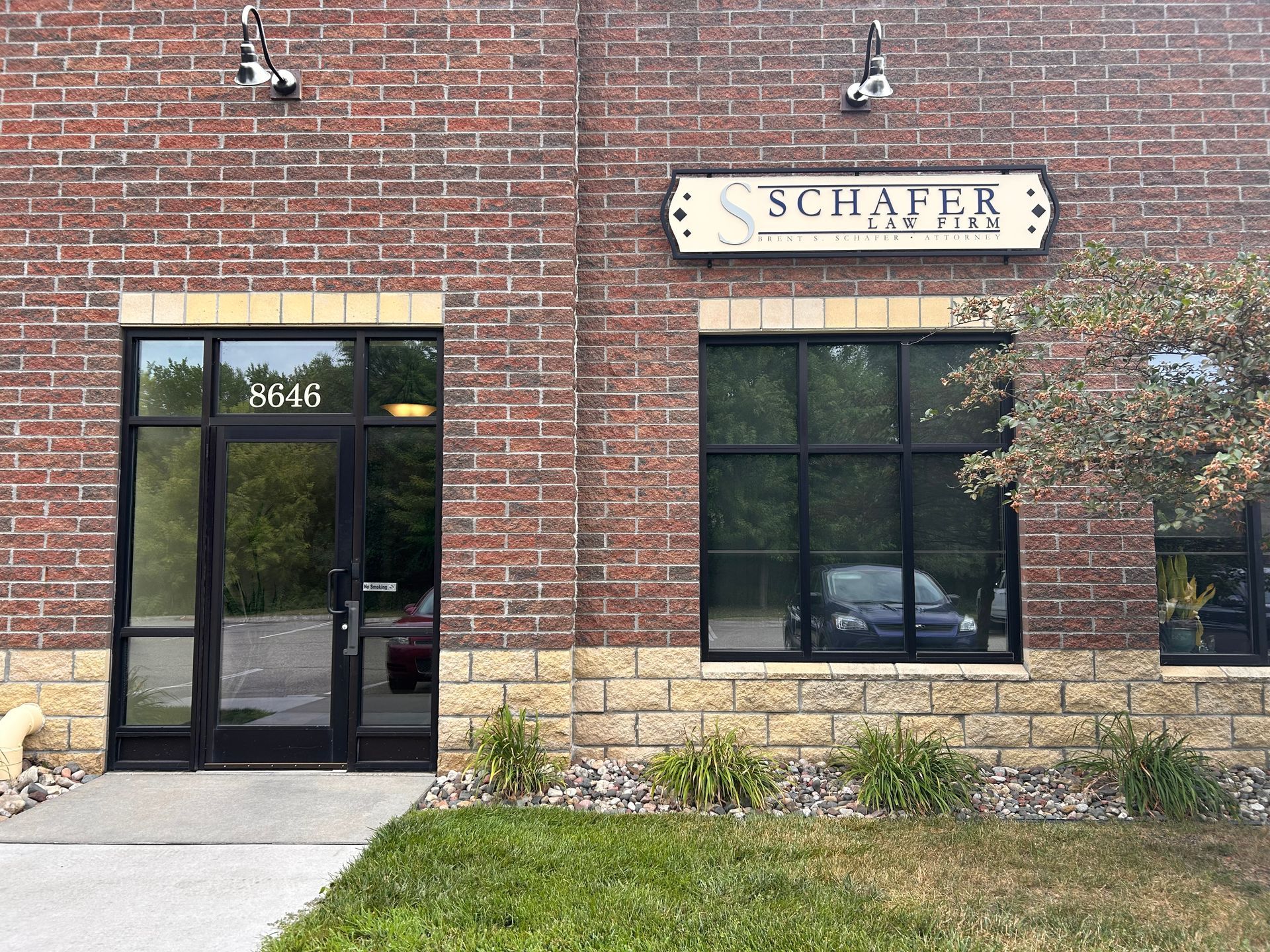
Schafer Law Firm focuses on criminal defense and is led by Brent Schafer, a former prosecutor with more than 35 years of courtroom experience. The firm's practice includes DUI and DWI defense, assault and domestic violence, drug crimes, felonies, misdemeanors, theft, juvenile cases, and vehicular manslaughter. Those practice-specific qualifications provide more meaningful information than assumptions based on demographic traits.
Think About Cultural Awareness Without Making Assumptions
Clients may come from different cultural, linguistic, family, or socioeconomic backgrounds, and those circumstances can influence how they experience the legal process. An attorney does not need to share a client's identity to approach those differences thoughtfully.
Instead of assuming that demographic similarity automatically creates understanding, look for signs of cultural awareness. A lawyer should be willing to listen when a client's background affects family relationships, employment, communication, or other aspects of the case. They should also avoid stereotypes and ask questions when context matters.
Effective criminal defense lawyers build their strategy around the individual client and the evidence, not around assumptions about a demographic group. Respectful representation means understanding the client's circumstances while keeping the legal analysis grounded in facts, procedure, and applicable law.
Evaluate Experience With the Local Court System
Geography can be more practical than many personal demographics. Criminal procedure follows state law, and local practices can influence how cases move through the system. An attorney who regularly practices in the jurisdiction may know local procedures, filing requirements, courtroom expectations, and how cases are typically handled.
Schafer Law Firm represents clients in Savage, the South Metro, and across Minnesota. Its criminal defense practice includes both pretrial and trial representation. The firm also offers free consultations, giving prospective clients an opportunity to discuss their situation and evaluate whether the attorney's experience and approach fit their needs.
Local experience should not be confused with a promise of a particular result. It is valuable because familiarity with the legal environment can help an attorney navigate procedures efficiently and identify issues that deserve attention.
Ask Who Will Actually Handle Your Case
Firm size and staffing can affect the client experience. At some practices, the attorney who conducts the initial consultation may not be the person who handles every court appearance or communication. Before hiring counsel, ask who will be responsible for the case and who will answer questions as it progresses.
Here, practical information matters more than demographics. Clients should understand whether they will have direct access to their attorney, how updates are provided, and how quickly questions are answered. Clear communication about responsibilities can reduce uncertainty.
Schafer Law Firm emphasizes direct defense from Brent Schafer. For a prospective client, that type of information can be useful when comparing criminal defense lawyers because it explains who will be involved in the representation rather than leaving the structure of the attorney-client relationship unclear.
Compare Professional Qualifications and Approach
Credentials provide useful context when evaluating an attorney. Prospective clients may consider courtroom experience, prior prosecutorial or defense work, professional recognition, trial experience, and the types of cases the lawyer regularly handles.
It is also important to consider how the attorney approaches decision-making. A defense lawyer should be able to explain possible strategies, what information is still needed, and what risks or uncertainties may affect the case. Be cautious about relying on broad promises or assumptions based on reputation alone.
The goal is to find counsel with relevant qualifications and a clear, effective communication style. Demographic characteristics can be part of a client's personal comfort assessment, but they should not overshadow evidence of preparation, judgment, and relevant legal experience.
Choose Representation Based on the Individual Attorney
Hiring a defense attorney is too important to reduce to a demographic profile. Statistics about the profession can be interesting and may reveal broader patterns of representation, but they cannot determine whether one lawyer will understand a client's case better than another.
When comparing criminal defense lawyers, focus on the factors that directly affect representation: relevant case experience, courtroom background, communication, responsiveness, familiarity with Minnesota law, and a willingness to explain options honestly. Personal comfort also matters, particularly because the client may need to share sensitive information and make difficult decisions with counsel.
Schafer Law Firm provides criminal defense representation in Savage and throughout Minnesota, with more than 35 years of courtroom experience and a background in prosecution as well as defense. A consultation can help a prospective client evaluate the attorney as an individual and decide whether the experience, approach, and communication style are appropriate for the situation.